Quartz Countertop Care: Tips to Keep Your Surfaces Looking New
12/12/2025
8 min read
8 min read
From sleek modern kitchens to classic farmhouse styles, quartz has become an incredibly popular surface for homeowners who desire beautiful countertops without the burden of maintenance. Known for its durable and hard-wearing nature, quartz comes in a variety of colors, styles, and patterns. It also requires no annual upkeep, making it a practical option for homeowners.
However, correct cleaning practices must be used to keep Caesarstone quartz in flawless condition. Not every household cleaner is equally suited to remove stains and maintain countertops.
For example, while diluted vinegar can work wonders for quartz, other sprays are less straightforward — such as Windex, which can come with or without ammonia — or even downright harmful, such as bleach. Creating a cleaning routine and making sure you have the right supplies handy will help you preserve your countertops’ quality and shine.
To keep your quartz countertops in pristine condition, make regular cleaning part of your routine. Wipe the surface down daily or every other day using warm water, a soft dish cloth, and a mild cleaning solution. However, before applying the cleaning solution, remove dried-on residue — such as food, glue, or other debris — to ensure an even, effective clean.
This simple habit not only preserves the quartz countertop’s natural beauty but also promotes a more hygienic kitchen environment and helps prevent stains and discoloration.
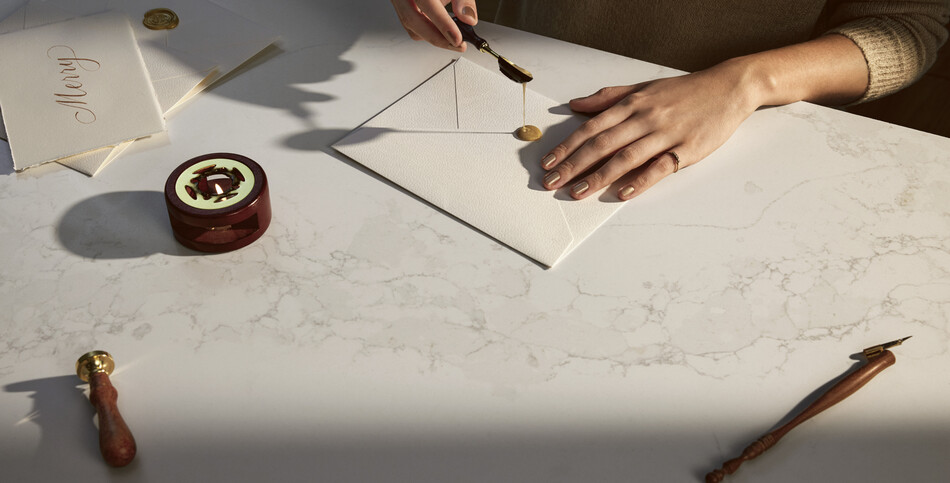
Most quartz manufacturers provide a list of cleaning products and other items to avoid. In addition to these products, abrasive cleaners and high-pH solutions can permanently dull or damage your countertops and should be avoided above all else.
Caesarstone quartz countertops are built to last, but even durable surfaces need care. Avoid the following to ensure your countertops stay as stunning as the day they were installed.
Can I use vinegar on quartz countertops?
Yes, you can use vinegar on quartz countertops, but it must be equal parts vinegar and water. Diluting the vinegar helps minimize the acidity, reducing the risk of dulling the surface or breaking down the resin in quartz. Use the solution sparingly and wipe the area afterward with a damp cloth to remove any residue.
Can I use bleach on quartz countertops?
Proceed with caution when using bleach on countertops. Concentrated bleach can leave stains, so only use diluted bleach according to the manufacturer’s instructions. Ultimately, there are much safer cleaners you can use on your quartz countertops.
Can I use Lysol on quartz countertops?
Yes, Lysol is appropriate for cleaning quartz kitchen or bathroom countertops. Lysol disinfectant sprays and wipes that do not contain harsh chemicals can be used for cleaning quartz countertops, especially for disinfecting high-touch areas in kitchens and bathrooms. As always, check the label for harsh or abrasive ingredients, and rinse with clean water after use to maintain the shine and integrity of the quartz.
Can you use Windex on quartz countertops?
Only Windex versions without ammonia are recommended — and even then, use sparingly.
Avoid the classic blue-colored Windex as it contains ammonia. Use ammonia-free glass cleaner occasionally and rinse well afterward to prevent buildup or surface clouding.
Can I use baking soda on quartz countertops?
Yes, a paste made of baking soda and water is a great product for cleaning quartz countertops, as it’s less abrasive than most other options.
Can I use rubbing alcohol on quartz countertops?
Yes, diluted rubbing alcohol is safe and effective for disinfecting quartz. Mix rubbing alcohol with water (usually a 1:1 ratio) and apply with a soft cloth to clean and disinfect your countertop. This method is effective against bacteria and viruses, and it evaporates quickly without leaving residue.
Can I use hydrogen peroxide on quartz countertops?
Yes, hydrogen peroxide is generally safe for cleaning stains and disinfecting quartz. Hydrogen peroxide is nonabrasive and nonacidic, making it suitable for use on quartz surfaces. It works well for stains or to disinfect. Use it undiluted for tough spots or mix with water for regular cleaning. Be sure to rinse afterward.
If a spill or stain remains after using the cleaning solutions highlighted above, other strategies can be employed. However, always read the manufacturer’s instructions before cleaning quartz surfaces to avoid irreversible damage.
Rubbing alcohol can be used as a solvent to remove difficult marks such as glue, ink, permanent markers, and blood stains. Pour a small amount onto a clean rag and apply it in a circular motion. Wipe down the counter with a clean cloth and warm water immediately afterward.
If coffee or tea spills are allowed to remain on quartz for an extended period, they can discolor the surface. If your daily cleaner does not remove this type of stain, do not scrub aggressively. Call a professional cleaning service for assistance.
For more tips, read “What to Do About Stains on Quartz Countertops.”
Quartz as a material is highly durable, but your countertops can only withstand heat to a certain point.
Avoid setting hot pots or pans straight from the oven or stove onto your quartz countertops. The intense heat can scorch the resin contained in the quartz, which will create a permanent ring imprint or even cause the countertop to crack. The damage caused by extreme temperature changes is often irreversible.
Trivets and coasters should always be used between hot pots or pans and the counter surface to keep your investment protected.
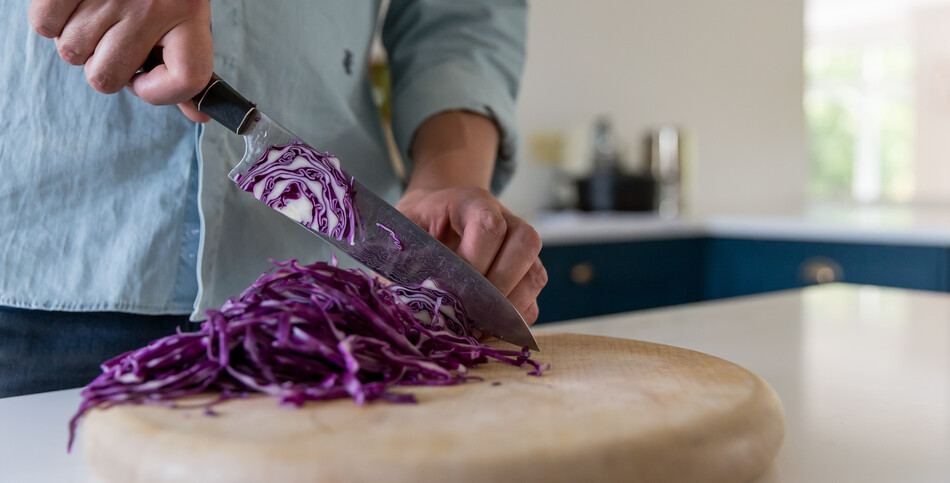
While Caesarstone’s quartz countertops are resistant to cracks, chips, and scratches, they are not indestructible. Simple preventative steps can help protect your investment and extend your quartz countertop’s lifetime value.
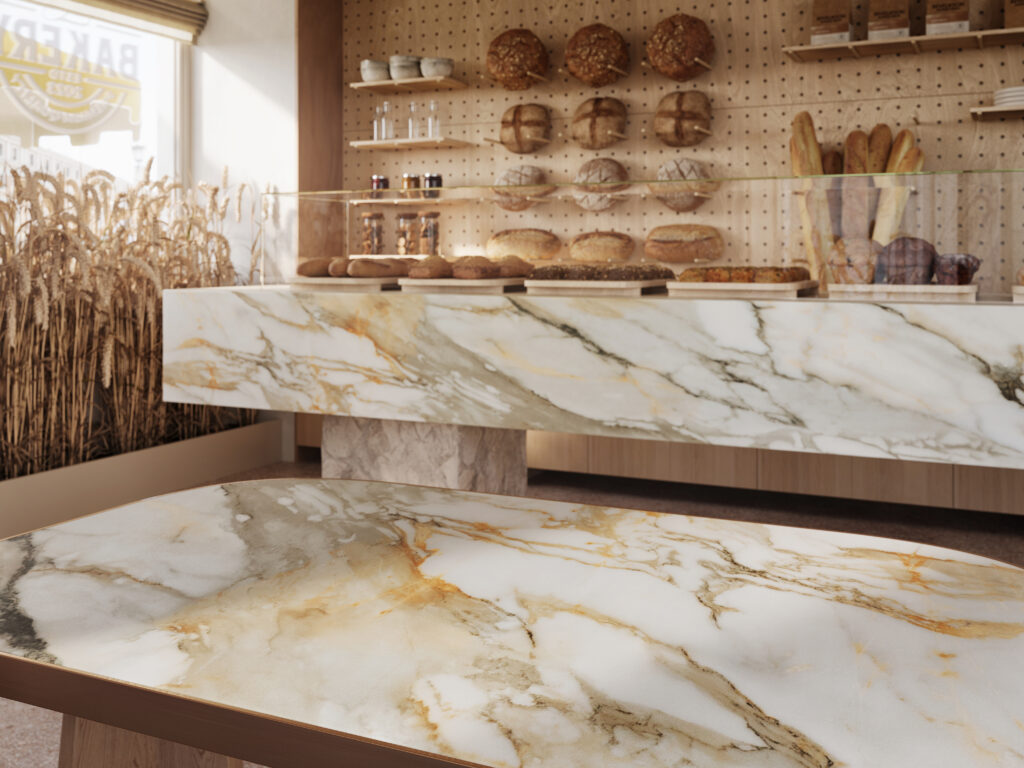
Maintenance guides for other Caesarstone materials show tips similar to how to care for quartz.
Caesarstone ICONTM and Caesarstone porcelain are both durable surfaces that provide nearly maintenance-free care.
Caesarstone ICON is an advanced fusion surface featuring a patent-pending blend that virtually eliminates crystalline silica* and incorporates approximately 80% recycled materials.
Our porcelain collection is highly resistant to extreme heat and most harsh chemicals (though you should always avoid hydrofluoric acid). The surface has a low water absorption rate and is UV light resistant (yes, that means that extended sunlight exposure is a nonissue).
Both Caesarstone ICON and porcelain can be cleaned with warm soapy water, but harsh chemicals should be avoided.
Caesarstone materials are easy to maintain. Order samples to see for yourself.
*May contain traces of less than 1% crystalline silica.
{{ subtitle }}
{{ i.desc }}
{{ subtitle }}
{{ subtitle }}